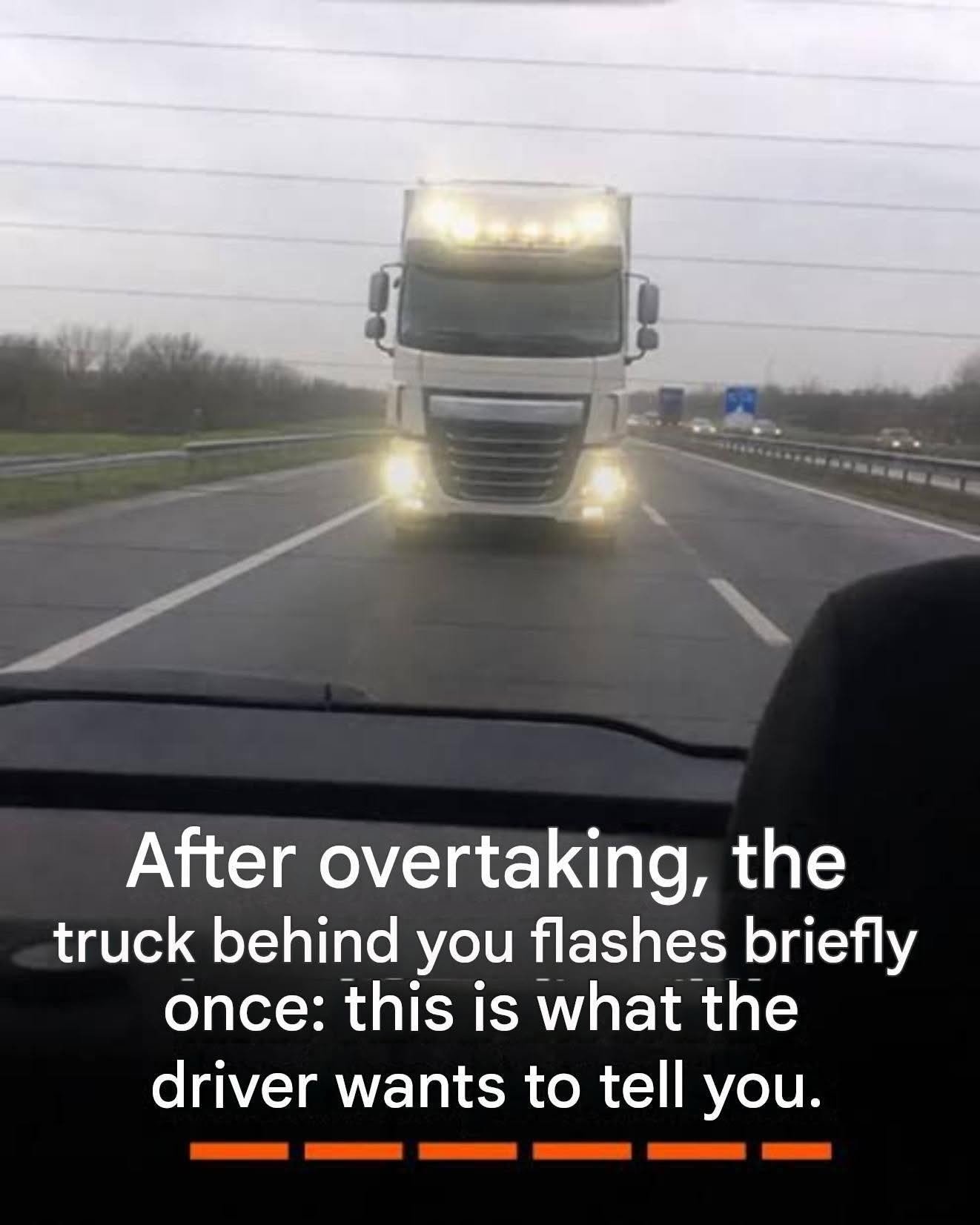
Maintain Safe Following Distances: Tailgating a semi-truck blocks your forward visibility and leaves you with inadequate stopping distance if traffic stops suddenly.
Signal Early and Clearly: Always use your turn signals well in advance when changing lanes around heavy vehicles.
Avoid Sudden Braking: Never pull sharply in front of a heavy truck and slam on your brakes; commercial vehicles require significantly more stopping distance than passenger cars due to their immense weight.
Stay Alert at Night: Long-haul trucking peaks during overnight hours; remain vigilant and watch for subtle lighting cues from professional drivers.
Interesting Facts About Commercial Trucking and Highways
Stopping Distance Physics: A fully loaded semi-truck traveling at highway speeds can take up to 40% farther to stop than a standard passenger automobile.
Professional Standards: Commercial truck drivers undergo rigorous training, medical certifications, and adhere to strict federal regulations regarding driving hours and rest periods.
Highway Communication Origins: Headlight flashing codes date back to early mid-century trucking culture, evolving as an effective way to warn fellow motorists of speed traps, road debris, or safe passing clearances.
Conclusion
Highway communication relies heavily on cooperation and mutual understanding between all motorists. When a truck driver flashes their lights after you overtake, it is a practical courtesy designed to ensure safety on busy roads. By respecting commercial vehicle blind spots, maintaining predictable driving habits, and understanding trucker signals, everyone contributes to a safer journey.
FAQ Section
Q: What does it mean when a truck flashes its headlights after you pass it? A: It usually means you are safely clear of the front of the truck and it is safe to merge back into your lane.
Q: Is it illegal to flash your high beams at other drivers? A: Regulations vary by region; while polite signaling is common, using high beams to blind oncoming traffic or express aggressive road rage is illegal in many jurisdictions.
Q: Why do trucks need so much space in front of them? A: Due to their massive weight and momentum, semi-trucks require a much longer braking distance than cars, which is why cutting closely in front of them is dangerous.
Q: Where are a truck’s major blind spots located? A: A truck’s blind spots are directly behind the trailer, immediately in front of the cab, and along both the left and right sides, particularly near the cab doors